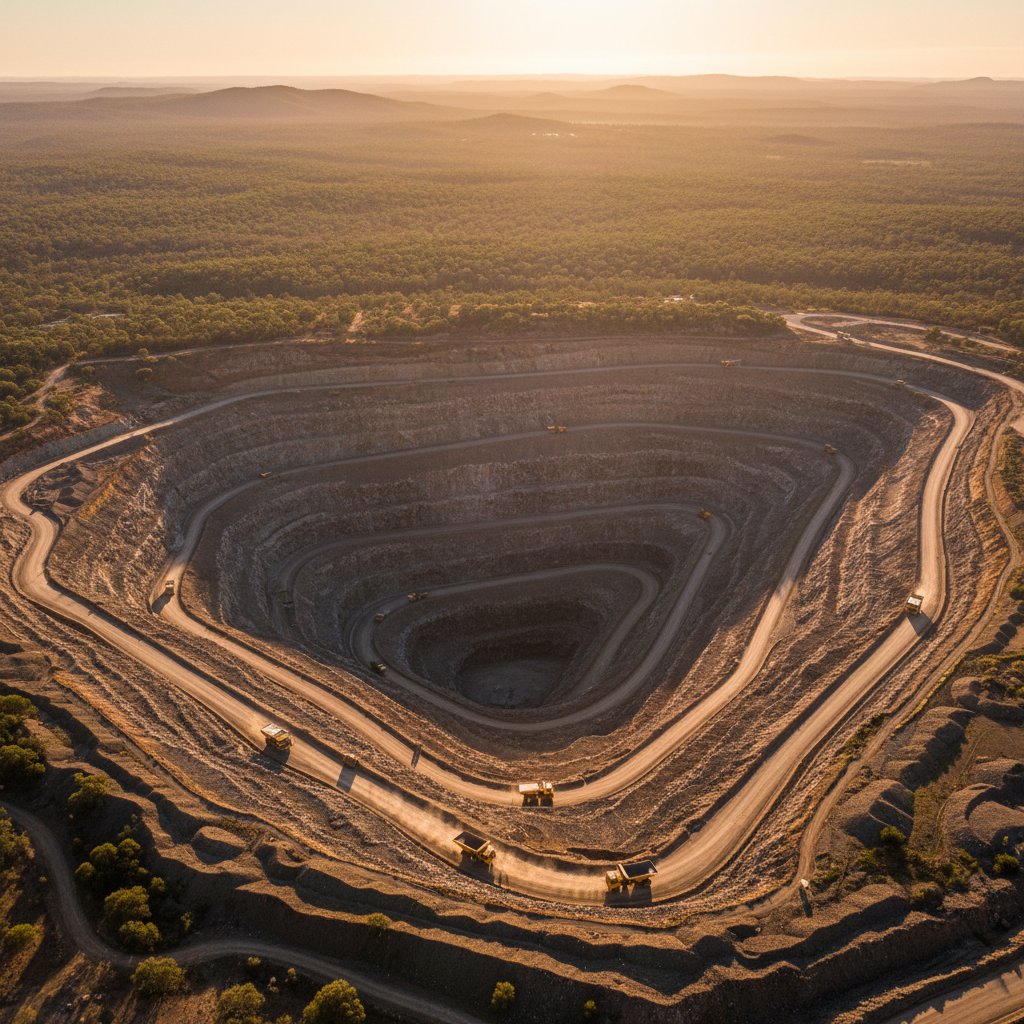
From Orebody
to Industry.
Responsibly.
High-grade zinc and lead sulfide concentrates extracted from deep fractured rock — shipped to galvanizers, battery manufacturers, and alloy foundries on five continents.
The Demand for Zinc
Isn't Slowing Down.
Zinc is the fourth most consumed metal globally. Galvanized steel in wind towers, zinc-air batteries in grid storage, and die-cast alloys in EV drivetrains are all competing for the same shrinking concentrate supply.
Global zinc demand 2025
Up 6.2% from prior year, driven by renewable infrastructure and EV battery systems
Projected supply deficit by 2028
Mine closures outpacing new project commissioning across key producing regions
Zinc used in galvanizing
Structural steel protection for infrastructure, renewable energy towers, and construction
LME zinc spot — Feb 2026
Three-month rolling average. Lead at $2,140/t. Both above 5-year median
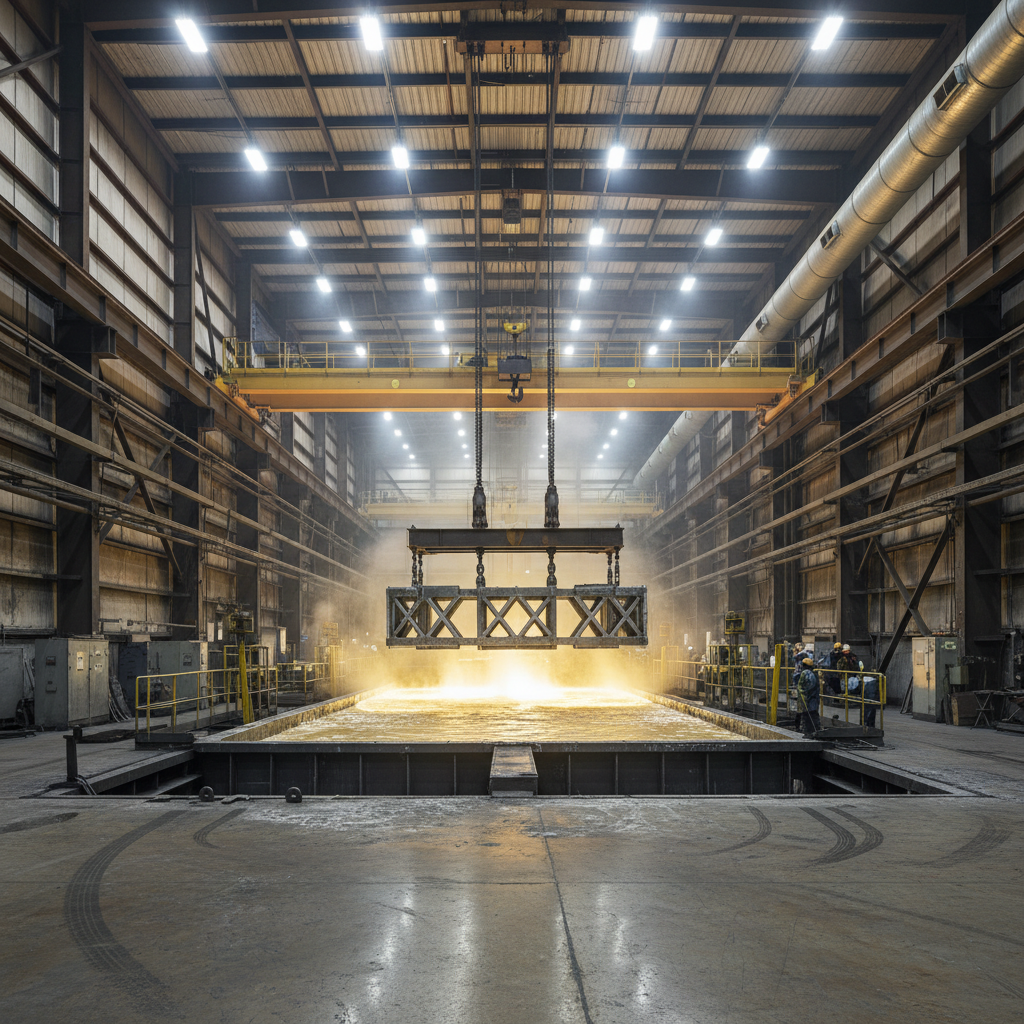
Galvanizers & Structural Steel
Hot-dip galvanizing consumes 50% of all refined zinc. Wind turbine towers, transmission pylons, and bridge girders require continuous, uninterrupted supply of Special High Grade (SHG) zinc — 99.995% purity minimum.
Purity standard
Min. zinc content
Lead-Acid Storage & Grid Backup
Lead-acid batteries account for 74% of global lead consumption. Telecom towers, UPS systems, and renewable storage installations across Asia-Pacific drive consistent procurement volumes.
Lead in batteries
APAC demand growth
Die-Cast Zinc in EV Drivetrains
Zinc die-casting for motor housings, transmission brackets, and structural connectors is accelerating with electrification. Procurement managers now require mine-of-origin traceability.
Orebody. Characterised.
Quantified. Proven.
JORC 2012-compliant resource estimates across the Seam mineralised corridor. Structural geology reports and drill core logs available under NDA to qualified joint-venture counterparties.
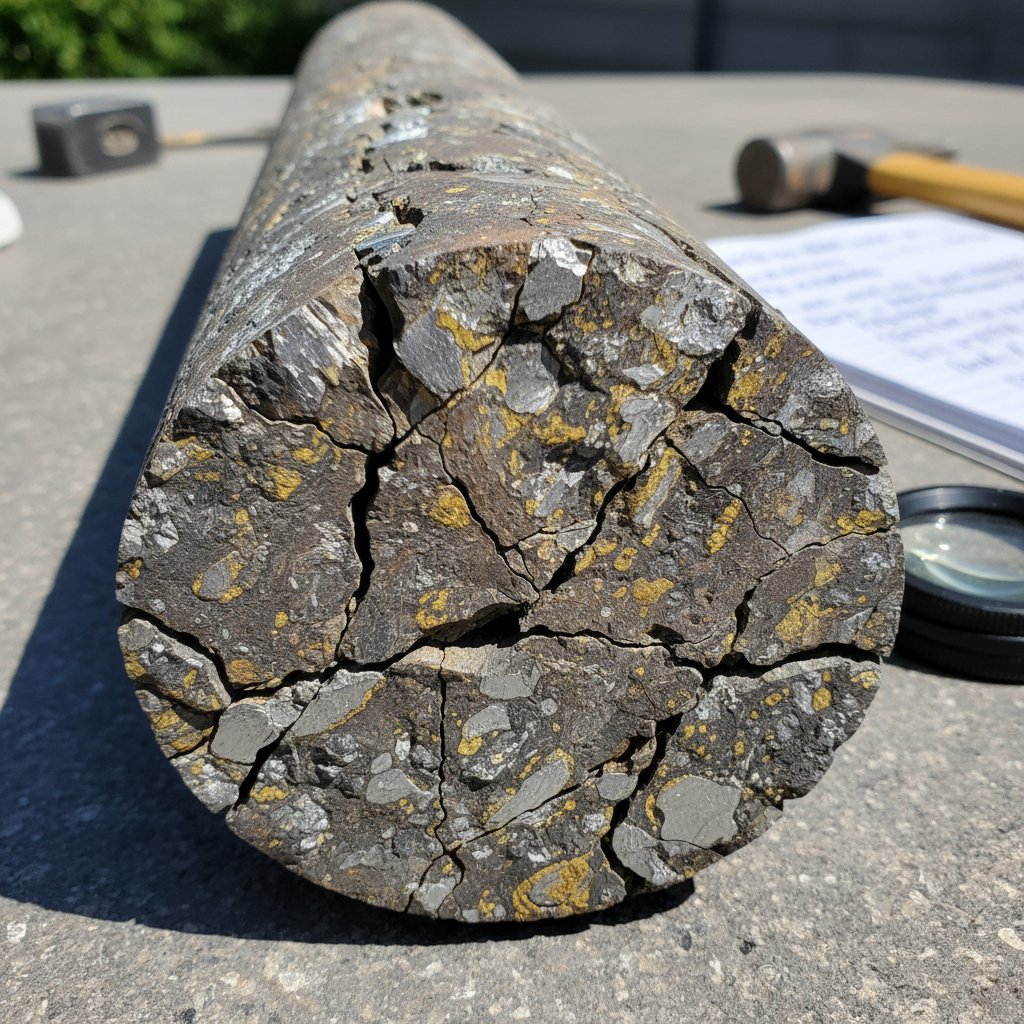
14,800 m of Characterised Core
Continuous drill program since 2018. Full assay database available for qualified review.
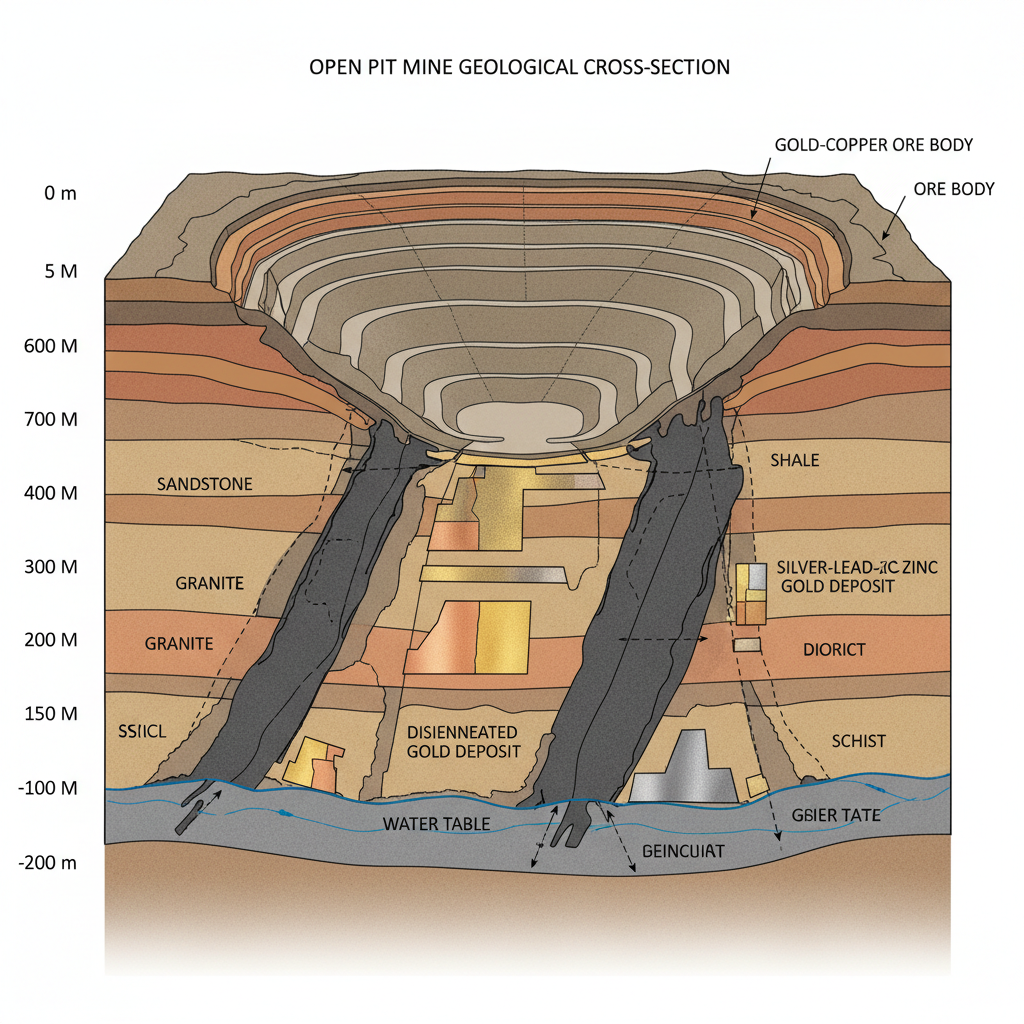
Geological Cross-Section — Seam North Corridor
Interpreted mineralised corridor extending 4.2 km strike length at consistently elevated Zn:Pb ratios.
Open to Qualified Exploration Partners
Seam is accepting expressions of interest for earn-in arrangements on the Seam South and Deepwell tenements. Full geological data package available under standard NDA.
Flotation Circuit.
Concentrate to Spec.
3.2 Mtpa processing plant. Differential flotation separating zinc and lead into individual product streams. All concentrate specifications independently assayed by SGS Minerals Services.
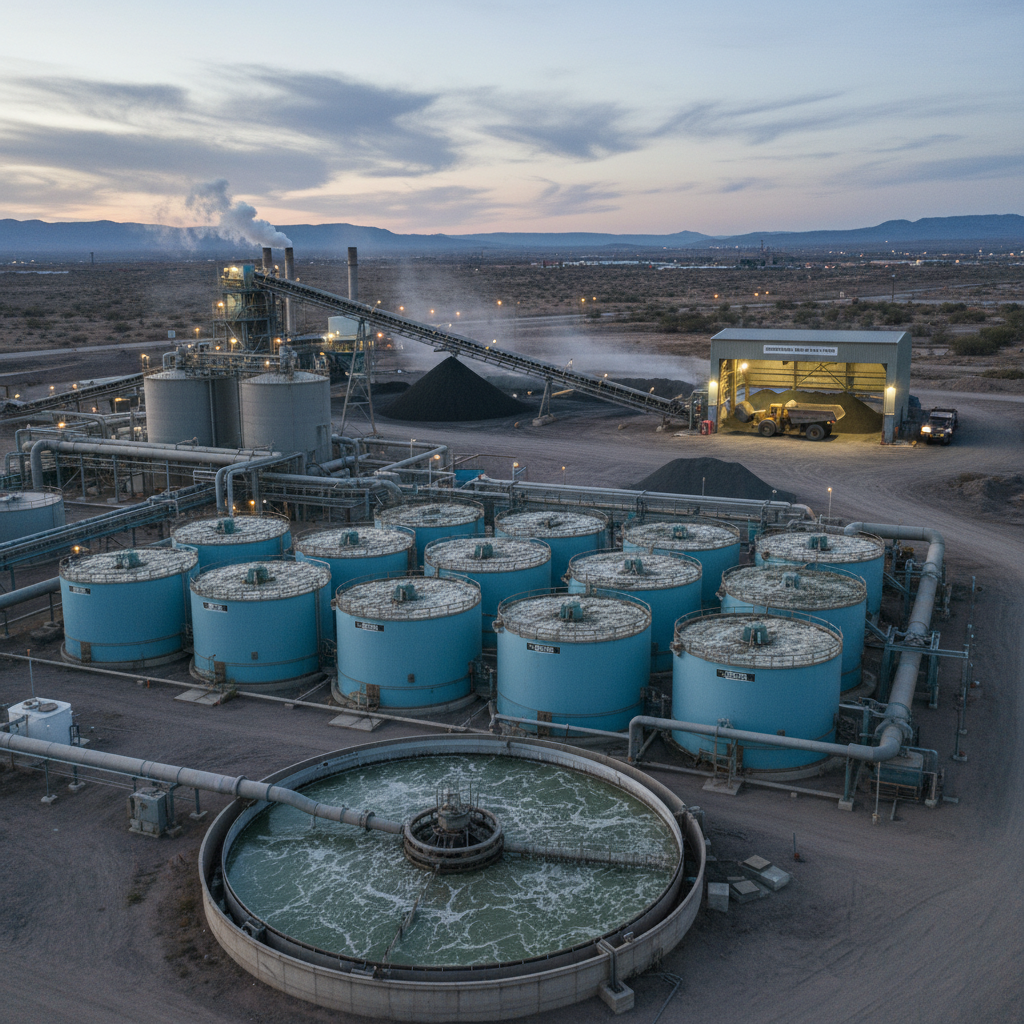
Differential Flotation — Seam Mill
Sphalerite-dominant concentrate with low iron penalty. Suitable for direct feed to ISF, RLE, and Jarosite process smelters. Silver credit averages 28 g/t in product.
Galena-dominant with low bismuth and arsenic. Meets sinter-feed specifications for primary lead blast furnaces. Silver credit averages 680 g/t in product.
Plant throughput capacity
Expandable to 4.5 Mtpa with Stage 2 flotation cells
Zinc metallurgical recovery
Based on 24-month rolling average. Quarterly assay reports available
Lead metallurgical recovery
Consistently above feasibility study design criteria of 88%
Concentrate despatch capacity
ISO container loading at on-site facility. Port 140 km, sealed road
The Data Behind
Every Tonne.
Procurement managers can pull grade sheets ungated. Full technical library — JORC reports, flowsheets, and closure plans — released after a single-step registration.
JORC 2012 Resource & Reserve Statement
Full resource estimation methodology, drill hole database, geostatistical models, and JORC-compliant reserve declaration.
Zinc Concentrate Product Specification
Assay range, penalty elements, moisture specification, and sampling protocol. Independently verified by SGS Minerals Services.
Lead Concentrate Product Specification
Grade range, bismuth and arsenic penalties, silver credit schedule, and container loading specification.
Differential Flotation Process Flowsheet
P&ID diagrams for primary crushing, SAG mill, flotation, thickening, and filtration circuits. Reagent schedules included.
Mine Closure & Rehabilitation Plan
Staged rehabilitation timeline, bond quantum calculations, revegetation species selection, and landform design criteria.
Water Quality Monitoring — Annual Report 2025
Groundwater and surface water quality data across 38 monitoring bores. Comparison against trigger action response levels.
Download the Full Technical Library
Complete JORC reports, process flowsheets, concentrate specs, and environmental documentation. One form. Immediate access.
No marketing emails. Data used for access control only.
The Solution Doesn't
End at the Stockpile.
Seam's social licence is earned metre by metre — in the drill hole, in the tailings facility, and in the revegetation plot. ESG documentation is available to supply chain auditors without registration.
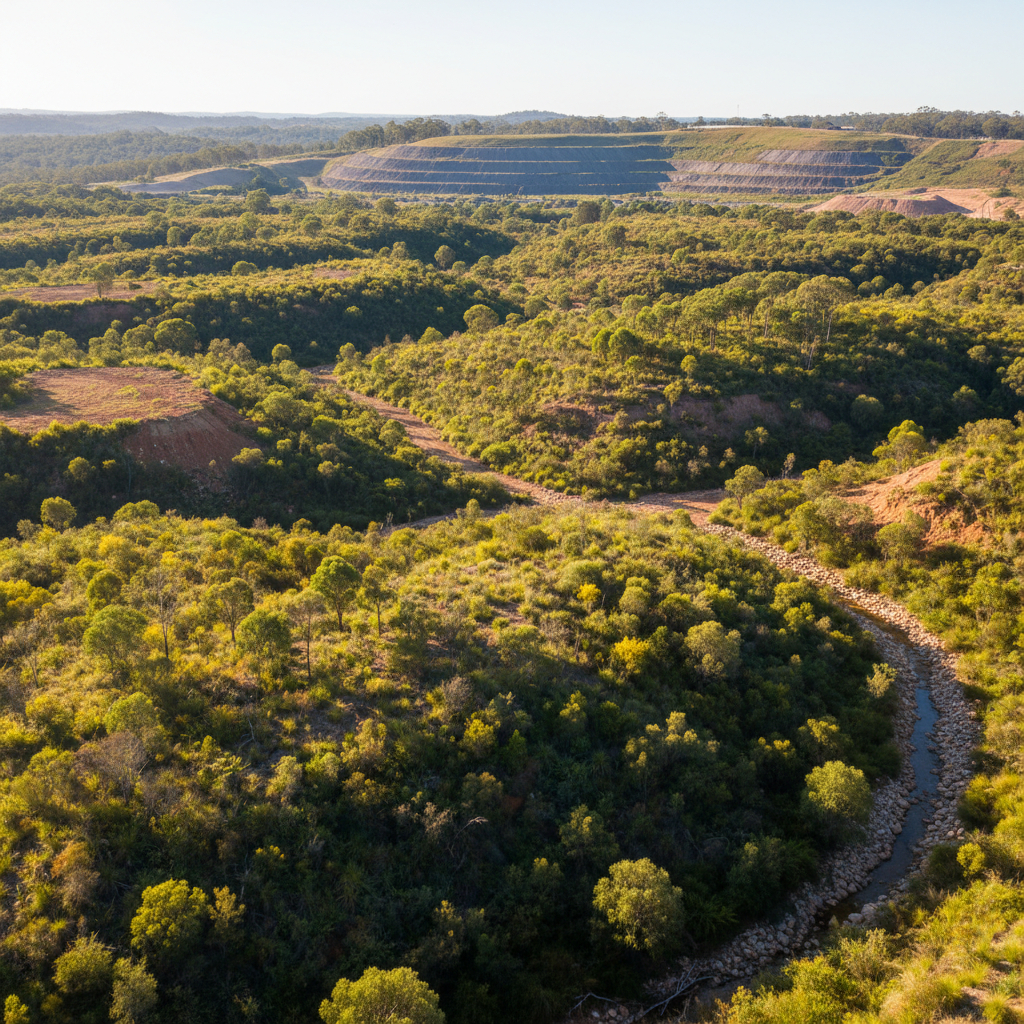
640 ha Returned to Native Bushland
Continuous programme since 2009. Landform reshaping precedes topsoil replacement and direct seeding from on-site seed bank.
Total disturbance footprint
Progressively rehabilitated to 2025
Native species germination rate
Projected full rehabilitation completion
38 monitoring bores. All parameters within TARL trigger levels. Updated quarterly from independent laboratory.
pH (groundwater bore GW-07)
Trigger: 6.5–8.5
Zinc (dissolved) μg/L
Trigger: <50
Lead (dissolved) μg/L
Trigger: <10
Sulfate mg/L
Trigger: <500
Turbidity (NTU)
Trigger: <25
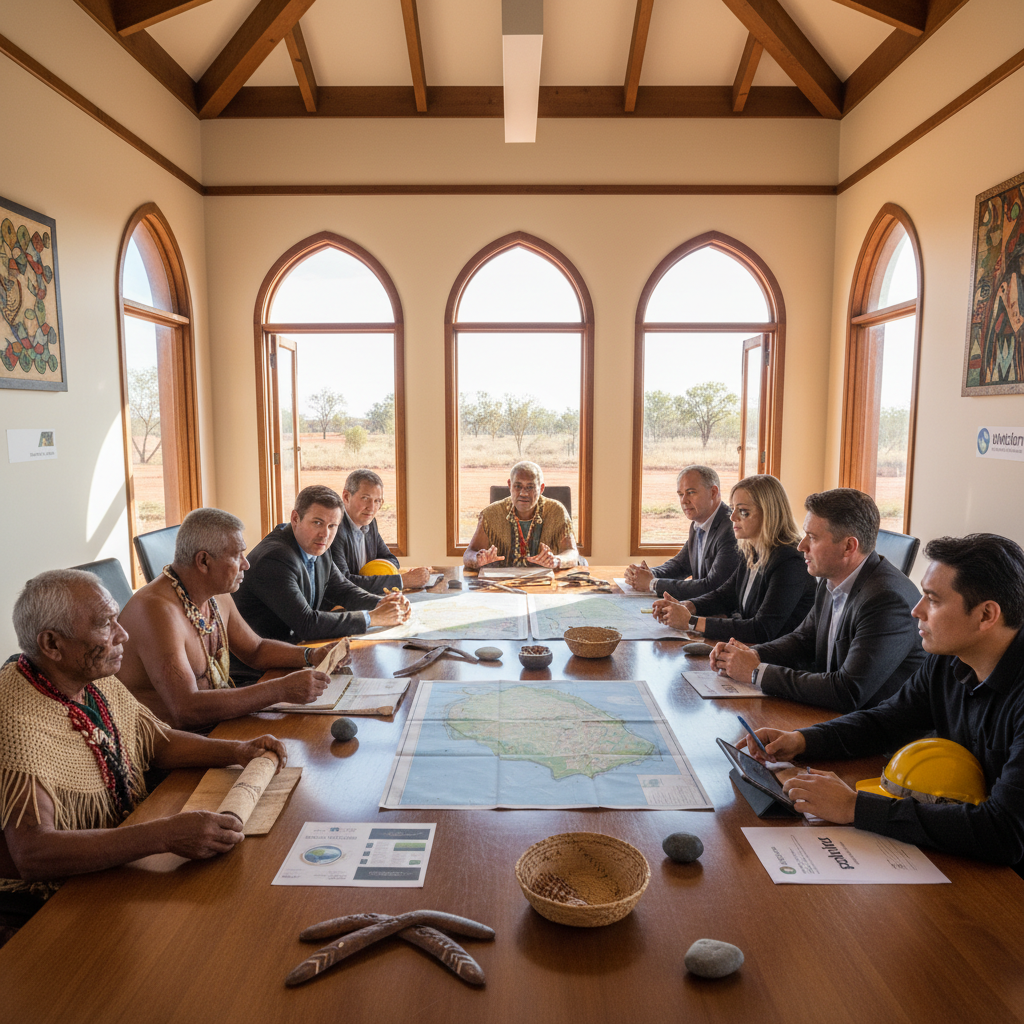
Traditional Owner Land Use Agreement
Binding agreement with Warlpiri Land Council. 4.5% net revenue to community benefit fund. Employment target: 18% local workforce by 2027.
Audit-Ready from Pithead to Port
Sustainability officers at automotive OEMs can trace every tonne of zinc concentrate back to its source orebody. Chain-of-custody documentation covers mining, processing, and transport.
Rehabilitation Timeline — 2026 Update
Staged closure plan with annual milestones, bond quantum schedule, and independent auditor reports from 2009 to present.